
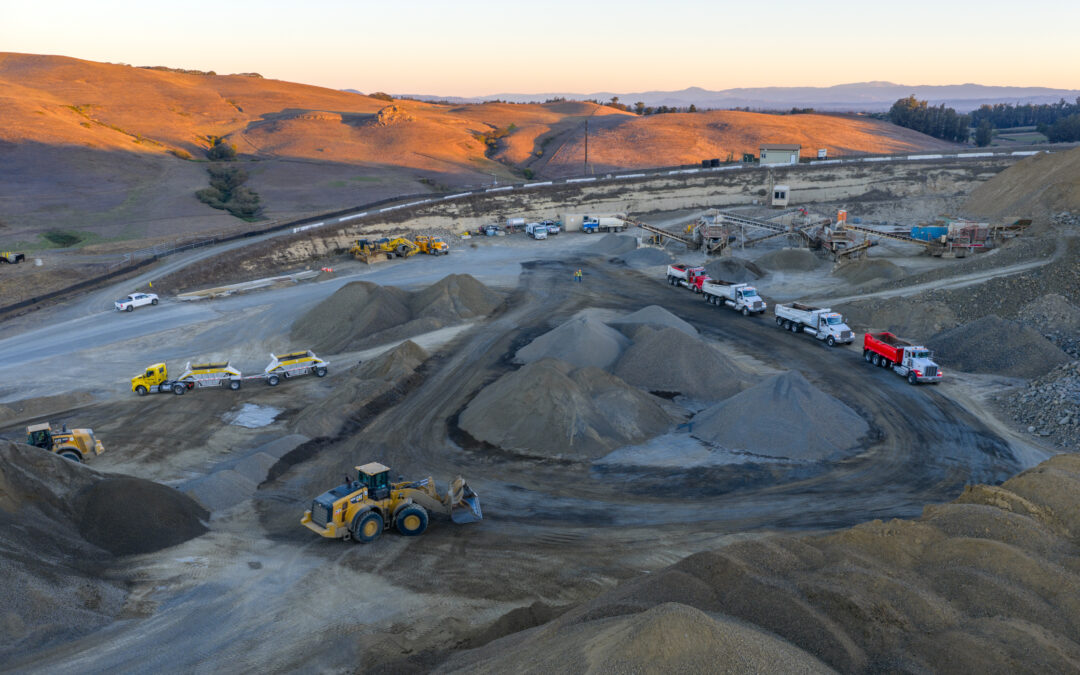
In the Bay Area, winter’s chill, rain, and fog transform construction sites into a challenging landscape of slick soils and fleeting daylight, where even minor delays can significantly impact a project.
Following winter construction tips, from moisture-resistant aggregates to precision delivery planning, helps teams stay ahead of these obstacles. Roblar Quarry offers proven strategies and trusted aggregate solutions to help you overcome challenges and sustain productivity, even in the harshest winter conditions.
Why Construction Slows in Winter
Construction in the Bay Area slows in winter due to a combination of factors, which include:
Weather and Material Issues
The Bay Area’s rainy season runs roughly from November to March. December, January, and February are the wettest months, which mark the period of meteorological winter.
During winter, San Francisco typically receives 3.97 inches of rainfall per month, with an average high temperature of 58.2°F (≈14°C) and an average low temperature of 46.2°F (≈8°C).
This rainy, cool winter weather directly affects materials and site stability:
- Concrete, Mortar, and Paint: These materials require specific temperature and moisture conditions to cure or dry properly. Temperatures below freezing (32°F or 0°C) extend curing times, and concrete can lose up to 50% of its intended strength if it freezes within the first 24 hours after placement.
- Site Access and Ground Conditions: Heavy or continuous rainfall makes the ground muddy and unstable. This hinders excavation work and the movement of heavy machinery. Freeze-thaw cycles compromise foundation stability.
Daylight Limitations
Winter brings significantly shorter daylight hours in the Bay Area. For instance, San Francisco gets only an average of 9 hours and 36 minutes of daylight in December. Shorter winter days result in:
- Reduced Work Hours: Fewer daylight hours necessitate adjustments to work schedules or shortened shifts, which can slow overall progress.
- Safety and Visibility: Decreased visibility, especially during foggy mornings, increases safety hazards. Extra job site lighting mitigates some issues. However, many exterior tasks remain restricted to periods of clear daylight.
The Hidden Costs of Winter Delays
Bay Area construction projects face winter delays that increase costs, reduce revenue, heighten safety and compliance concerns, and damage one’s reputation.
Escalating Costs and Lost Revenue
Winter’s cold, wet conditions increase expenses through slower labor, higher equipment rentals (such as heaters, dehumidifiers, and tarps), material spoilage, and costly rush orders.
A quantitative study found that weather-related delays increased duration by ≈25.7% and raised costs by ≈23.8% in construction projects affected by adverse conditions. Late completion penalties further cut profits.
Heightened Safety and Compliance Risks
Rain, fog, and mud create treacherous conditions that can increase the risk of slips, falls, and equipment instability. This raises injury rates and workers’ compensation claims.
Compliance risks grow as well, including frozen pipes, Occupational Safety and Health Administration (OSHA)-mandated winterization, and environmental protections against sediment runoff. Fines or shutdowns are possible, especially in sensitive Bay Area ecosystems.
Project Schedule and Reputation Impact
Winter weather can disrupt critical-path tasks, such as foundation installation, concrete curing, and earthmoving. Repeated overruns can harm your firm’s reputation, jeopardize future Bay Area bids, and even threaten project completion.
Proactive Seasonal Construction Planning
Advance scheduling and effective supplier coordination are vital for Bay Area winter construction. By planning resources early, you can anticipate rain and fog impacts and address potential risks before they disrupt work.
Best Jobsite Planning Practices for Winter
Employ these seasonal construction planning strategies to turn potential winter disruptions from project-stopping crises into manageable schedule adjustments:
- Front-Load Critical Tasks: Schedule foundation work, underground utilities, and structural framing before potential heavy rains (typically November to February) to avoid saturated soil and difficult excavation.
- Early Material Procurement: Order bulk materials in advance to secure stock before winter demand surges.
- Confirm Delivery Windows: Work closely with suppliers to schedule deliveries for dry days, even if it means early morning or late afternoon drops.
Choosing the Right Materials: Cold Weather Aggregates
For Bay Area winter jobs, cold-weather aggregates deliver reliable performance in cool, damp, and occasionally freezing conditions.
Drainage & Freeze–Thaw Resistance
Cold-weather aggregates (e.g., crushed stone and gravel for frozen ground) are selected for their low porosity and high permeability, which allows water to drain quickly from subgrades. Efficient drainage reduces trapped moisture that often causes frost heave and cracking in concrete and pavements.
Stability & Load‑Bearing Strength
Aggregates such as base rock and angular crushed stone create dense, interlocking layers that maintain their load-bearing capacity in wet and cold conditions. High-strength aggregates with optimized gradation resist deformation under heavy traffic or equipment loads, even when soil moisture increases.
Workability in Wet/Cold Mixes
Fine sand, screened chips, and blended aggregates improve workability for concrete and asphalt mixes in lower temperatures. These materials reduce water demand, maintain slump consistency, and accelerate finishing times.
Roblar Quarry’s Solutions for Winter Productivity
Roblar Quarry acts as a dependable extension of your job site by supplying proven materials with logistical support.
Product Range for Stability
We supply critical, cold-weather aggregates, including Class 1 & 2 base rock (1.5″, 3/4″), drain rock, quarry fines, and screened chips. These products are critical for creating stable, well-draining sub-bases and foundations that resist saturation and settlement during the wet Bay Area winters.
Expertise in Quality & Compliance
Roblar Quarry LLC provides documented material specs and QA reports (sieve analysis, angularity, density, etc.) and compliance data. The quarry helps estimators and project managers meet stringent regulatory standards for non-toxic, habitat-safe materials.
Reliable, Coordinated Delivery
Through Just-in-Time (JIT) scheduling, Roblar’s dispatch coordinates closely with project managers by planning deliveries weeks in advance and fine-tuning them 24-48 hours. We maintain a steady, efficient flow of materials to minimize site congestion and keep crews working continuously, even in challenging weather.
Local Sourcing & Efficiency
As a local supplier, Robaly Quarry LLC helps firms reduce haul distances, thereby cutting costs and carbon footprints. This is a significant advantage for Bay Area contractors looking for sustainable yet efficient material sourcing during peak winter demand.
Actionable Winter Construction Tips
Working with the right supplier and selecting the right aggregates is only one part of future-proofing a project for Bay Area winters.
Comprehensive Winter Construction Readiness
By integrating these aspects, your project can better withstand winter conditions in the Bay Area:
- Material Protection: Create covered, well-ventilated storage areas (tents, temporary structures) for sensitive materials (lumber, drywall, insulation).
- Site Drainage & Access: Implement temporary drainage (swales, pumps) and use gravel/mats to keep access roads and work areas usable.
- Equipment Prep: Use appropriate fuel stabilizers and cold-rated hydraulic fluids/lubricants for equipment.
- Daily Briefings: Hold brief daily huddles to review weather forecasts and adjust the day’s plan by shifting crews from outdoor to indoor tasks.
Winter in the Bay Area rewards builders who plan and construct smarter. Winter construction tips paired with materials designed for wet, cool conditions keep foundations stable, crews moving, and costs under control.
Roblar Quarry brings more than materials to winter projects. With local expertise, dependable deliveries, and trusted support, we help construction teams stay resilient and confident all season long.
FAQs
Why Is Seasonal Construction Planning Important?
Seasonal construction planning helps you schedule around wet, cool, and occasionally freezing conditions. Early planning protects materials, prevents delays, and keeps crews productive on Bay Area projects.
What Are Cold-Weather Aggregates?
These are materials that provide drainage and stability. They prevent frost heave, cracking, and settlement, and make foundations and sub-bases strong during winter.
How Should I Handle Jobsite Planning in Winter?
Effective jobsite planning for winter means scheduling tasks early, securing materials on-site, coordinating deliveries, and preparing the ground for wet or frozen conditions.
Does Gravel for Frozen Ground Improve Winter Foundation Performance?
Yes. Using gravel for frozen ground creates well-draining, stable sub-bases. It reduces water retention that can freeze, which minimizes frost heave and settlement on Bay Area construction sites.