
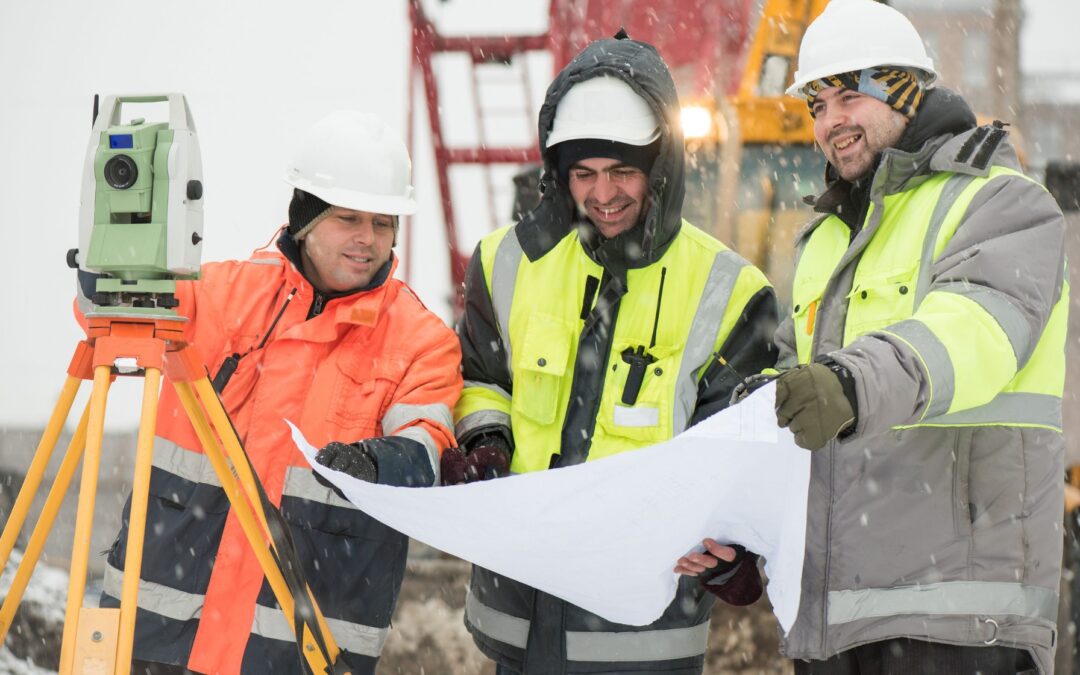
Winter is unforgiving to construction schedules. Persistent rain, freeze–thaw cycles, saturated subgrades, and muddy access roads don’t just slow projects down—they expose weaknesses in materials, planning, and execution. For contractors and engineers, winter construction success often comes down to one overlooked factor: aggregate selection.
Not all aggregates perform the same once the weather turns wet. The right materials can maintain stability, support drainage, and preserve load-bearing capacity even in challenging conditions. The wrong ones can lead to rutting, pumping, soft spots, rework, and costly delays.
Understanding how aggregates behave in wet weather—and choosing materials specifically suited for winter conditions—can make the difference between steady progress and a site that grinds to a halt.
Why Wet Weather Is So Hard on Construction Sites
Rain changes the physics of a job site almost instantly. Water infiltrates voids, reduces friction between particles, and weakens subgrades. When loads are applied, whether from equipment, traffic, or structural elements, materials that seem stable in dry conditions can suddenly fail.
Key winter challenges include:
- Loss of bearing capacity in saturated soils
- Poor drainage, leading to standing water and soft subgrades
- Freeze–thaw expansion, which disrupts compacted layers
- Equipment access issues caused by rutting and mud
Aggregates that perform well in dry summer conditions may not have the durability, angularity, or gradation needed to resist these stresses in winter.
What Makes an Aggregate “Winter-Ready”?
Winter-ready aggregates are defined less by a single property and more by a combination of performance characteristics. Engineers and experienced contractors tend to look for four core traits.
1. Angularity and Interlock
Angular aggregates with fractured faces lock together more effectively than rounded materials. This mechanical interlock improves load distribution and helps prevent lateral movement when materials become saturated.
Rounded gravels may drain well, but they are more likely to shift under load in wet conditions, especially when placed over weak subgrades.
2. Proper Gradation
Well-graded aggregates such as those containing a balanced distribution of particle sizes compact more tightly and resist water infiltration better than gap-graded or poorly graded materials.
A properly graded base creates fewer voids, reducing the volume of water that can accumulate and weaken the structure. In winter conditions, this can significantly improve stability and reduce maintenance needs.
3. Drainage Capability
While tight gradation is important, drainage cannot be ignored. Aggregates used for base layers, access roads, and temporary working surfaces must contain drainage-friendly rock to allow water to move away from the structure rather than trapping it.
Clean, crushed stone with minimal fines is often used in drainage layers or underdrains to manage water flow and protect structural components.
4. Durability and Resistance to Freeze–Thaw Cycles
Aggregates exposed to freeze–thaw conditions must resist breakdown. Weak or porous stone can fracture over time, producing excess fines that compromise drainage and stability.
Durable aggregates with proven performance in cold climates help maintain long-term integrity, even after repeated freezing and thawing.
Common Aggregate Applications That Matter Most in Winter
Certain areas of a project are especially vulnerable to wet weather and benefit greatly from winter-ready aggregate choices.
Base and Subbase Layers
Base layers must distribute loads and protect the subgrade. In winter, these layers are often subjected to saturation and freeze–thaw cycles simultaneously.
Crushed stone base with strong interlock and controlled fines content provides the strength and consistency needed to keep work moving when conditions deteriorate.
Access Roads and Haul Routes
Temporary and permanent access roads take a beating in wet weather. Heavy trucks, repeated traffic, and poor drainage can quickly turn marginal materials into a maintenance nightmare.
Selecting aggregates designed for stability under load, rather than simply lowest cost, can reduce grading frequency, equipment downtime, and safety hazards.
Working Platforms and Laydown Areas
Cranes, lifts, and other heavy equipment require stable working surfaces year-round. In winter, inadequate aggregates can lead to uneven settlement or outright failure.
Engineered aggregate platforms designed to shed water and maintain bearing capacity help protect equipment and crews while minimizing disruptions.
The Cost of Choosing the Wrong Aggregate
Using suboptimal aggregates in wet conditions often leads to hidden costs that far exceed the initial material savings.
Common consequences include:
- Increased rework and re-grading
- Delays caused by impassable site conditions
- Higher fuel and equipment maintenance costs
- Compromised compaction and long-term performance issues
For engineers, improper aggregate selection can also raise concerns about compliance with specifications and long-term liability.
Working With Your Quarry as a Technical Partner
One of the most effective ways to prepare for winter construction is to treat your aggregate supplier as a technical resource and not just a material vendor.
A reputable quarry can provide:
- Material test data (gradation, abrasion resistance, durability)
- Recommendations based on site conditions
- Consistent material quality, even during high-demand winter months
- Reliable supply, helping keep projects on schedule
Open communication between contractors, engineers, and quarry professionals allows material choices to align with design intent and real-world conditions.
Planning Ahead for Winter Success
Winter construction rarely fails because of weather alone. More often, problems arise from materials that weren’t chosen with wet conditions in mind.
By selecting aggregates with proven performance in saturated and freezing environments, contractors and engineers can:
- Maintain productivity during challenging weather
- Reduce downtime and corrective work
- Improve safety and site accessibility
- Protect the long-term integrity of the project
Winter doesn’t have to mean compromise. With the right aggregates underfoot, construction can continue with confidence even when the forecast isn’t cooperating.
At Roblar Quarry LLC, our delivery process is designed to work seamlessly with your schedule and keep your project on track. We specialize in reliable, timely delivery of construction rock, ensuring all required materials arrive exactly when needed. Our commitment to convenience, consistency, and customized service means we adapt to your unique needs every step of the way. Call today to arrange dependable, professional materials delivery.